
We provide your genetic data with high accuracy, reliability, and complete confidentiality!
We provide your genetic data with high accuracy, reliability, and complete confidentiality!

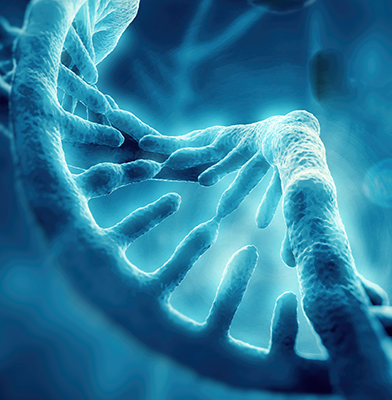
One of the most important aspects of genetic counseling is the accurate and precise diagnosis of a disease. DNA is the molecule that contains genetic information and forms the functional components of the body, such as RNA and proteins. The functional unit of DNA is called a gene. Each gene is located on structures known as chromosomes.
In a healthy individual:
• 44 autosomal chromosomes
• 2 sex chromosomes (X and Y)
Each gene located on a chromosome has two copies, called alleles. One allele is inherited from the mother and the other from the father. Changes in genes can affect the observable characteristics of an organism, known as the phenotype. If at least one allele in a gene pair carries a mutation, a hereditary genetic disorder or condition may develop.
If a patient has a family history of genetic diseases, carrier status, or similar conditions, the risk of inheritance is evaluated. This assessment is based on three main models of inheritance:
• Single-gene inheritance
• Chromosomal inheritance
• Multifactorial (complex) inheritance
This type of inheritance involves genetic diseases caused by changes in one or more alleles of a single gene. The inheritance pattern depends on the gene’s location on the chromosome and how it affects the phenotype.
• If the gene is located on an autosome, the inheritance is autosomal.
• If the gene is located on the X chromosome, it is X-linked.
If a genetic change manifests when only one allele is affected, it is called dominant inheritance. If both alleles must be altered for the disease to appear, it is called recessive inheritance.
• Autosomal dominant
• Autosomal recessive
• X-linked dominant
• X-linked recessive
If both alleles are identical, the individual is homozygous; if they differ, the individual is heterozygous.
• In recessive disorders, a homozygous mutant individual shows disease symptoms, while a heterozygous individual is a carrier without symptoms.
• If two heterozygous carriers of an autosomal recessive disorder have a child, the risk of the disease occurring in each pregnancy is 25%.
• In dominant disorders, the mutated allele causes disease in both heterozygous and homozygous states, and the risk of transmission to offspring is 50%.
In these conditions, abnormalities are related not to individual genes but to the number or structure of chromosomes inherited at fertilization.
• Extra or missing chromosomes, as well as structural rearrangements of chromosomal segments, can lead to disease.This type of inheritance does not strictly follow classical genetic laws and includes many common diseases.
• Disease development is usually the result of a combination of minor genetic variations and environmental factors, even when no obvious defects are present in the genetic code.